Welcome to Bio Basic Asia Pacific Pte Ltd
This website uses cookies to ensure the best experience. By continuing, you agree to our Privacy Policy.


RCF vs. RPM: Why Your Centrifuge Tube’s ‘G-Force’ Rating Matters
RCF vs. RPM: Why Your Centrifuge Tube’s ‘G-Force’ Rating Matters
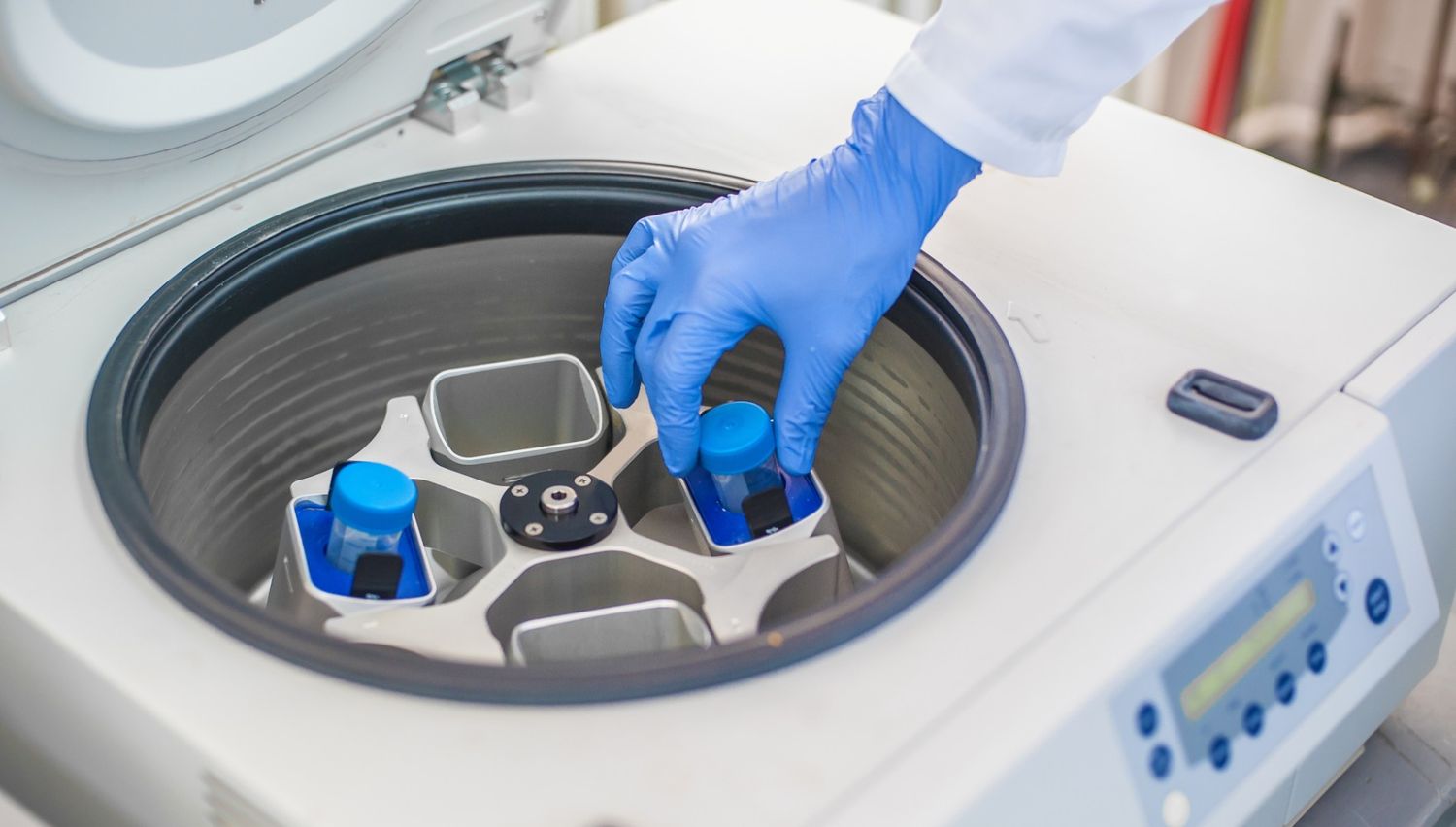
Centrifugation is one of the most common procedures in molecular biology laboratories. From DNA extraction to protein purification, researchers rely on a high-quality centrifuge tube and precise rotor speeds to separate samples quickly and efficiently. However, many users still confuse RPM (revolutions per minute) with RCF (relative centrifugal force) when setting centrifuge speeds.
This confusion can lead to more than inaccurate experimental results. It can also cause centrifuge tube failure, sample loss, or damage to laboratory equipment.
Understanding the difference between RPM and RCF is essential when selecting a centrifuge tube and operating a centrifuge safely.
RPM vs RCF: What Is the Difference?
RPM refers to how fast the rotor spins. It simply measures the number of rotations the centrifuge completes in one minute.
RCF, on the other hand, describes the actual force applied to the sample, usually expressed as multiples of Earth’s gravitational force (×g).
Two centrifuges running at the same RPM can generate very different forces depending on the radius of the rotor. A larger rotor produces greater centrifugal force even at the same rotational speed.
This means that RPM alone does not indicate how much stress a centrifuge tube experiences. The RCF value is what determines whether the tube can safely withstand the force.
How to Convert RPM to RCF
Researchers often need to convert RPM to RCF to ensure the correct centrifugation conditions.
The relationship between the two is calculated using the following equation:
RCF = 1.118 × 10⁻⁵ × r × RPM²
Where:
- r = radius of the rotor in centimetres
- RPM = revolutions per minute
Because RCF increases with the square of RPM, even small increases in speed can dramatically increase the force applied to the sample.
For example:
|
Rotor Radius |
RPM |
Resulting RCF |
|
10 cm |
6,000 RPM |
~4,000 × g |
|
10 cm |
10,000 RPM |
~11,200 × g |
|
10 cm |
15,000 RPM |
~25,200 × g |
This illustrates why a centrifuge tube rated for 15,000 × g may fail if the rotor size or RPM is increased beyond the safe limit.
Why Maximum RCF Ratings Matter for Centrifuge Tubes
Every centrifuge tube has a maximum RCF rating, which represents the highest centrifugal force the tube can safely tolerate.
If this limit is exceeded, the tube may:
- Crack or deform
- Leak during centrifugation
- Completely rupture under force
Such failures can contaminate the centrifuge chamber, damage rotors, and destroy valuable samples.
Tube strength depends on several factors, including:
- Tube material (polypropylene, polycarbonate, etc.)
- Wall thickness
- Cap design
- Tube geometry
Manufacturers test these tubes under controlled conditions to determine safe RCF limits. Researchers should always ensure that centrifuge settings remain within these limits.
Centrifuge Types and Their Typical Speed Ranges
Different centrifuge types operate at different speed ranges, which directly affects the forces applied to centrifuge tubes.
Benchtop Centrifuges
Benchtop centrifuges are commonly used for routine laboratory procedures such as cell pelleting or nucleic acid purification.
Typical specifications include:
- Speed: 3,000 to 15,000 RPM
- RCF range: approximately 1,000 × g to 21,000 × g
- Tube types: microcentrifuge tubes, 15 mL or 50 mL conical tubes
- Sample volumes: 0.5 mL to 50 mL
These centrifuges are widely used in molecular biology laboratories because they are compact and versatile.
However, even within this range, exceeding the maximum RCF rating of a microcentrifuge tube can cause tube deformation or leakage.
High-Speed Centrifuges
High-speed centrifuges are used for more demanding applications such as protein purification, organelle isolation, or virus concentration.
Typical specifications include:
- Speed: 20,000 to 30,000 RPM
- RCF range: up to around 60,000 × g
- Tube types: reinforced polypropylene tubes or specialised centrifuge bottles
- Sample volumes: typically 10 mL to several hundred millilitres
Because these centrifuges generate significantly higher forces, researchers must use tubes specifically rated for high-speed applications.
Ultracentrifuges
Ultracentrifuges are designed for extremely high centrifugal forces used in advanced applications such as density gradient separations and macromolecule purification.
Typical specifications include:
- Speed: 50,000 to 100,000 RPM
- RCF range: up to 1,000,000 × g
- Tube types: thick-walled ultracentrifuge tubes made from specialised materials
- Sample volumes: often between 0.2 mL and 30 mL, depending on rotor type
At these speeds, even small structural weaknesses in a tube can result in catastrophic failure.
For this reason, ultracentrifuge tubes are carefully designed and must be matched precisely to the rotor type and operating conditions.
Other Factors That Affect Tube Safety
Beyond RCF limits, several practical factors influence whether a centrifuge tube can safely handle the applied force.
Sample Volume and Tube Filling
Most centrifuge tubes should not be filled completely. Overfilling can lead to pressure buildup during spinning.
Underfilling may also create an imbalance in high-speed rotors.
Following the recommended fill range helps maintain rotor balance and tube integrity.
Tube Weight and Balance
Centrifuges rely on balanced loads to operate safely. Tubes placed opposite each other in the rotor should contain equal volumes and similar weights.
Imbalanced tubes increase mechanical stress and may lead to equipment damage.
Temperature and Chemical Compatibility
Some solvents or buffers may weaken certain plastics. Similarly, temperature conditions during centrifugation can affect tube durability.
Selecting tubes compatible with the intended reagents and operating conditions reduces the risk of failure.
Choosing the Right Centrifuge Tube
Selecting a centrifuge tube should involve more than simply choosing the correct volume.
Researchers should verify:
- Maximum RCF rating
- Compatibility with the centrifuge rotor
- Material suitability for the sample type
- Recommended fill volume
Using tubes that match the intended centrifugation conditions helps protect both the sample and the equipment.
Conclusion
Understanding the difference between RPM and RCF is essential for safe and accurate centrifugation. While RPM describes how fast the rotor spins, RCF determines the actual force acting on a centrifuge tube.
Because centrifugal force increases rapidly with speed and rotor size, exceeding a tube’s maximum RCF rating can lead to tube failure and sample loss.
By calculating the correct RCF, selecting properly rated tubes, and matching them to the appropriate centrifuge type, researchers can maintain safe workflows while ensuring reliable experimental results.
At Bio Basic Asia Pacific, we support laboratories across Singapore with reliable laboratory supplies and research services. Our range of centrifuge tubes and laboratory consumables is designed to meet strict performance and safety standards used in molecular biology workflows. If you need assistance selecting the right products for your experiment, our team is ready to help.
