Welcome to Bio Basic Asia Pacific Pte Ltd
This website uses cookies to ensure the best experience. By continuing, you agree to our Privacy Policy.


3 Common Types of DNA Sequencing: When to Choose Sanger vs. NGS
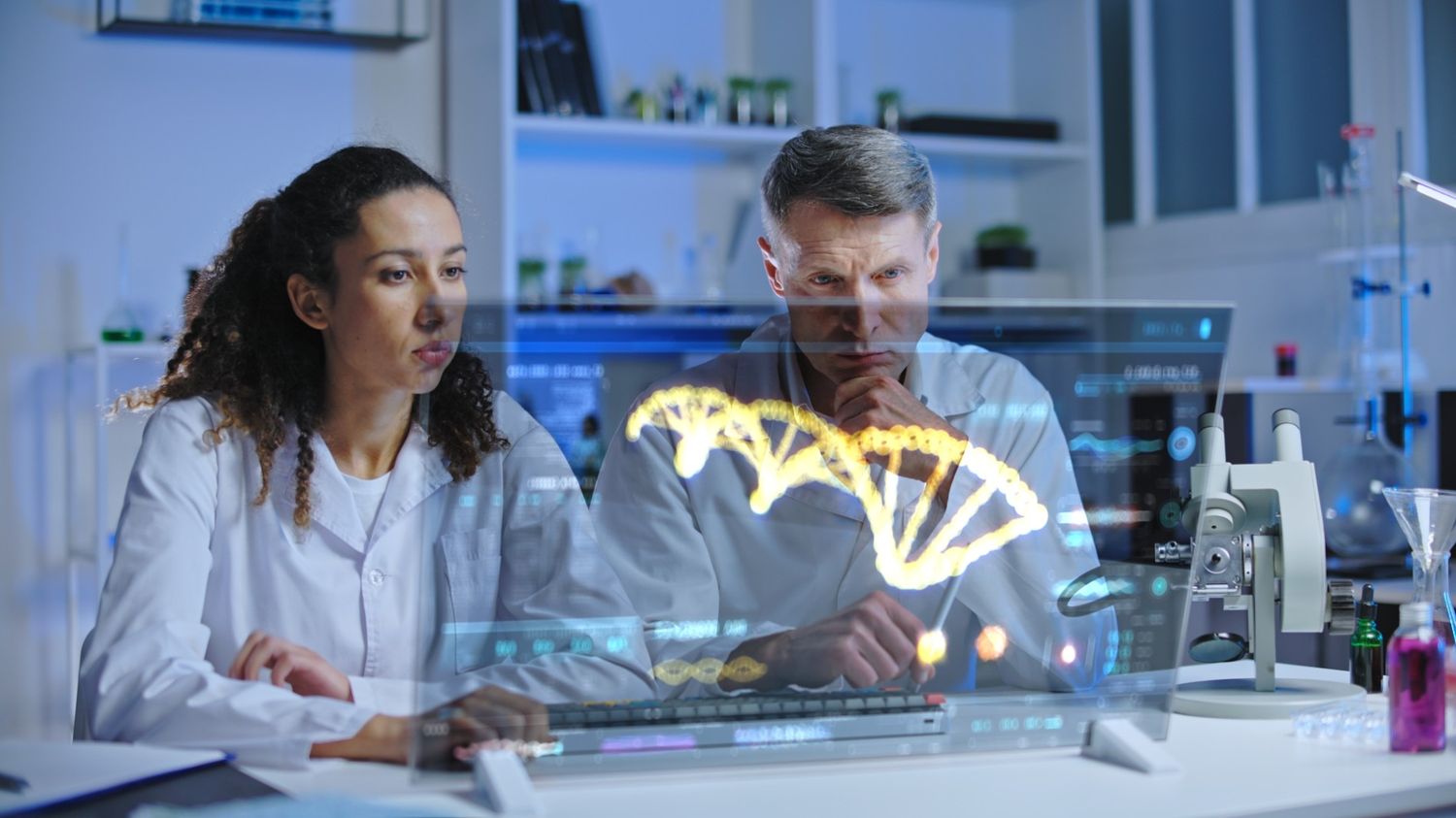
DNA sequencing has become a fundamental tool in modern life science research. From confirming plasmid inserts to analysing whole genomes, laboratories now rely on several sequencing technologies depending on the scope and complexity of the experiment.
Today, the most widely used approaches fall into three main categories of DNA sequencing: Sanger sequencing, Next-Generation Sequencing (NGS), and third-generation long-read sequencing. Each technology has distinct strengths, costs, and ideal applications.
Understanding these differences helps researchers choose the right sequencing method for their workflow, whether they are working in academic laboratories, clinical research, or biotechnology development.
1. Sanger Sequencing: The Gold Standard for Accuracy
Sanger sequencing remains one of the most trusted methods for DNA analysis. Developed in the 1970s, this method uses chain-terminating nucleotides to generate DNA fragments that can be separated and read using capillary electrophoresis.
Even with the rise of newer sequencing technologies, Sanger sequencing continues to be widely used because of its high accuracy and reliability.
Typical read length
- Around 800 to 1000 base pairs
Common applications
Sanger sequencing is frequently used in both academic and industry laboratories for:
- Plasmid verification
- Mutation confirmation
- PCR product validation
- Small gene sequencing
- CRISPR editing validation
- Diagnostic mutation analysis
Because of its high accuracy, Sanger sequencing is often used to confirm results generated by other sequencing methods.
When to choose Sanger sequencing
Sanger sequencing is ideal when:
- Only a single gene or DNA fragment needs to be analysed
- High base accuracy is required
- Researchers need to verify cloning or mutagenesis results
- Turnaround time needs to be fast
For routine validation experiments, Sanger sequencing remains one of the most cost-effective solutions.
2. Next-Generation Sequencing (NGS): High Throughput Analysis
Next-Generation Sequencing (NGS) refers to a group of technologies that allow millions of DNA fragments to be sequenced simultaneously.
Unlike Sanger sequencing, which processes one DNA fragment at a time, NGS platforms perform massively parallel sequencing, making them suitable for large-scale genomic studies.
Typical read length
- Around 50 to 300 base pairs, depending on the platform
Common applications
NGS is widely used across many research areas, including:
- Whole genome sequencing
- Whole exome sequencing
- RNA sequencing (RNA-seq)
- Metagenomics and microbiome analysis
- Cancer genomics
- Population genetics studies
Academic laboratories frequently use NGS to analyse complex biological systems, while biotechnology companies apply it in areas such as drug development and biomarker discovery.
When to choose NGS
NGS is the preferred method when researchers need to:
- Sequence large genomic regions or entire genomes
- Analyse thousands of DNA fragments simultaneously
- Study gene expression patterns
- Investigate genetic variation across large populations
Although NGS produces a large amount of data, it often requires bioinformatics analysis to interpret the results effectively.
3. Third-Generation Sequencing: Long-Read Technologies
The newest category of DNA sequencing is known as third-generation sequencing, often referred to as long-read sequencing.
These technologies are designed to read much longer DNA fragments in a single pass, which helps overcome limitations associated with short-read sequencing.
Two well-known examples include:
- Single-molecule real-time sequencing
- Nanopore sequencing
Typical read length
- Thousands to hundreds of thousands of base pairs
Common applications
Long-read sequencing is particularly useful for analysing complex regions of the genome that are difficult to assemble using short reads.
Applications include:
- Structural variant detection
- Genome assembly
- Sequencing repetitive genomic regions
- Epigenetic analysis
- Transcript isoform identification
These technologies are increasingly used in genomics research, especially when studying organisms with complex genomes or when long structural information is required.
When to choose third-generation sequencing
Long-read sequencing is often selected when researchers need to:
- Analyse large structural changes in DNA
- Assemble genomes with repetitive regions
- Sequence long DNA fragments without fragmentation
- Study epigenetic modifications directly
Although long-read technologies offer unique advantages, they may have higher costs or lower throughput compared with NGS, depending on the platform.
Choosing the Right DNA Sequencing Method
Each sequencing technology serves a different purpose. The most suitable approach depends on the research objective, sample size, and required resolution.
|
Sequencing Method |
Strength |
Typical Use Case |
|
Sanger Sequencing |
Highest accuracy for single fragments |
Mutation confirmation, plasmid verification |
|
Next-Generation Sequencing |
Massive parallel sequencing |
Whole genome or transcriptome analysis |
|
Third-Generation Sequencing |
Long DNA reads |
Genome assembly and structural variation studies |
In many research workflows, laboratories use a combination of sequencing technologies. For example, NGS may be used for large-scale discovery, while Sanger sequencing confirms specific variants identified during analysis.
DNA Sequencing Applications in Research and Industry
DNA sequencing technologies now support a wide range of applications across life science sectors.
In academic laboratories, sequencing is commonly used for:
- Genetic research
- Evolutionary studies
- Functional genomics
- Microbial identification
In biotechnology and pharmaceutical industries, sequencing plays a critical role in:
- Drug discovery
- Vaccine development
- Genetic diagnostics
- Precision medicine research
As sequencing technologies continue to advance, researchers have more tools available to answer complex biological questions.
Conclusion
Sanger sequencing, Next-Generation Sequencing, and third-generation long-read sequencing each play an important role in modern molecular biology.
Sanger sequencing remains the gold standard for accuracy when analysing individual DNA fragments, while NGS enables large-scale genomic studies. Long-read sequencing technologies provide additional insights into complex genomic structures that short-read approaches may miss.
Choosing the right DNA sequencing method allows researchers to balance accuracy, throughput, and cost depending on the goals of their experiment.
Need reliable DNA sequencing support? At Bio Basic Asia Pacific, we support laboratories with dependable DNA sequencing services, including high-accuracy Sanger sequencing. Our platform delivers read lengths of up to 800 to 1000 base pairs, making it ideal for plasmid verification, mutation analysis, and routine molecular biology workflows.
If your laboratory requires fast and reliable sequencing support, our team is ready to assist researchers with efficient turnaround times and consistent data quality.
